
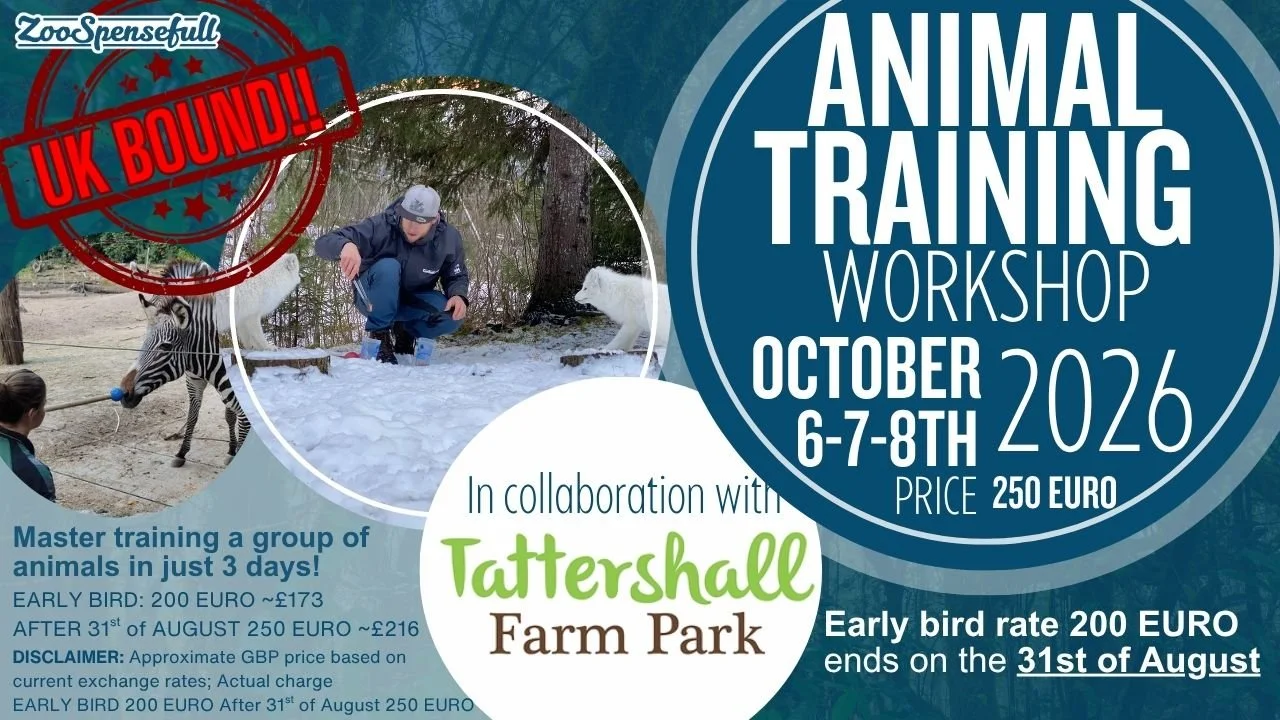
October 6-7-8, 2026 | Workshop Tickets 250 Euro
Early Bird until 31st of August, 2026 200 Euro
ANIMAL TRAINING WORKSHOP
“Training a Group; What to do?”
This workshop is presented in English.
Max. 50 Spots Available
What to Expect
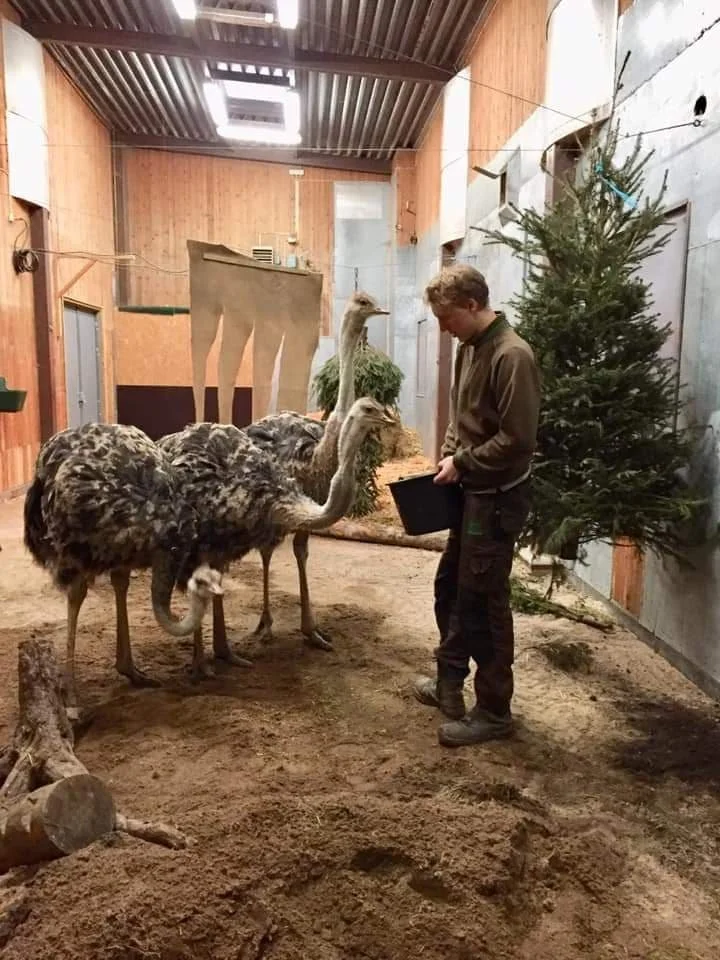
People often ask what’s needed to manage a group of animals whether it’s birds, antelopes, or lions, and whether they’re in protective or free contact. There are certain behaviours and criteria that help us figure out what works. Besides that the animals also need to understand what they must do to reach reinforcement.
Find out how a group actually works and how that helps us design better training sessions and programmes. Group dynamics, relationships and social hierarchies are key to creating good results. We’ll show you how to stay objective around groups of animals and their behaviour.
The Outlook
Building Blocks
Communication
Good communication makes any training program work but it’s not always straightforward. We often send signals expecting the animal to get what we mean, but how can we be sure they do? And are we even giving those signals consistently and correctly? We’ll walk you through the advanced ideas you need to create a clear, no‑confusion system.
Get Inspired
We’ll help you become a better trainer with fresh skills, new ideas, and a clearer sense of what actually works in practice. Using video examples, we’ll show why some strategies flop and why others succeed. After this workshop you’ll have what you need to kick off a program at your facility.
Your Presenter
His passion is behaviour management, and you can see that in his impressive background. He began at Ouwehands Dierenpark where he was part of the sea lion team. Through conferences he made a name for himself and went on to work internationally. He has worked at several marine mammal parks in Canada, Spain, France, Sweden and Australia. In addition, he gained experience by working at a variety of other parks to improve his skills. From 2016 to 2018 he served as Vice-President of IMATA, the International Marine Mammal Trainers Association.
In 2015 he began an entirely new career, primarily focused on creating a behaviour programme at a large zoo. He embraced this opportunity wholeheartedly and brought about significant change within the animal world. This led to the founding of Zoospensefull, where he shares his creative ideas and expertise with the world. As a result, he is frequently invited to speak at many conferences.

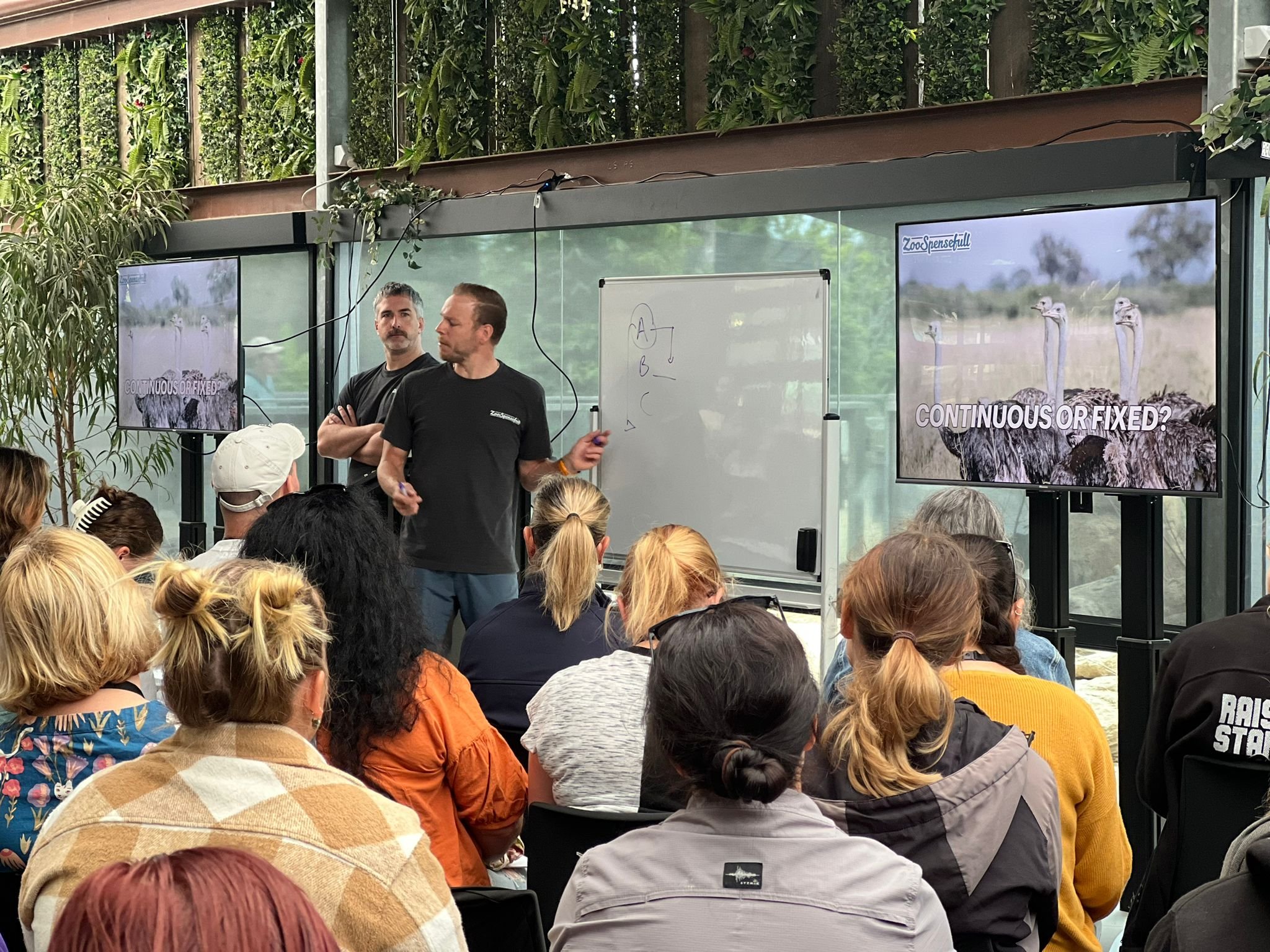
So far he has worked with a very wide range of species and has written and implemented programmes. Starting with animals that have never been trained before or groups where the trainer animal ratio is limited is something he successfully worked with in the past. His way of conveying information inspires and motivates you to become a better trainer. There is a lot involved in doing it well. He shares his experiences and how to apply science in practice to work collaboratively with your animals. His way of thinking is different, more creative, welfare-enhancing and highly problem-solving. He believes the animal is always right, and that is what we must work with.
Peter Giljam
Owner and Founder Zoospensefull
Location
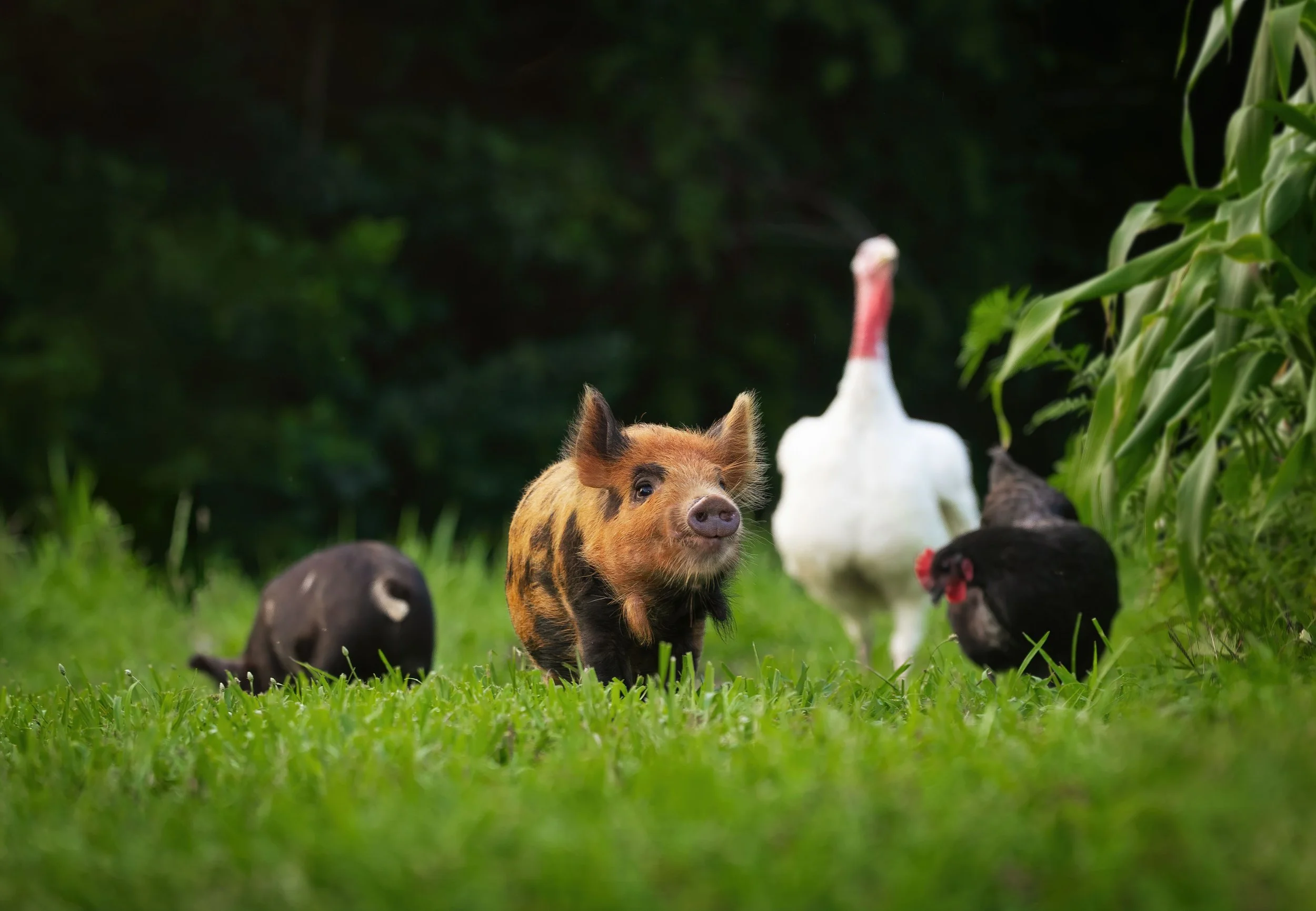
This workshop is organised in collaboration with Tattersall Farm Park. A beautiful spot for a workshop about group animals. Tattersall Farm Park is close to the Tattersall Lakes which is a wonderful holiday area with plenty of over night accommodations.
Adress:
Marsh Lane, Tattershall, Lincolnshire, LN4 4JR, UK
Schedule
Day 1
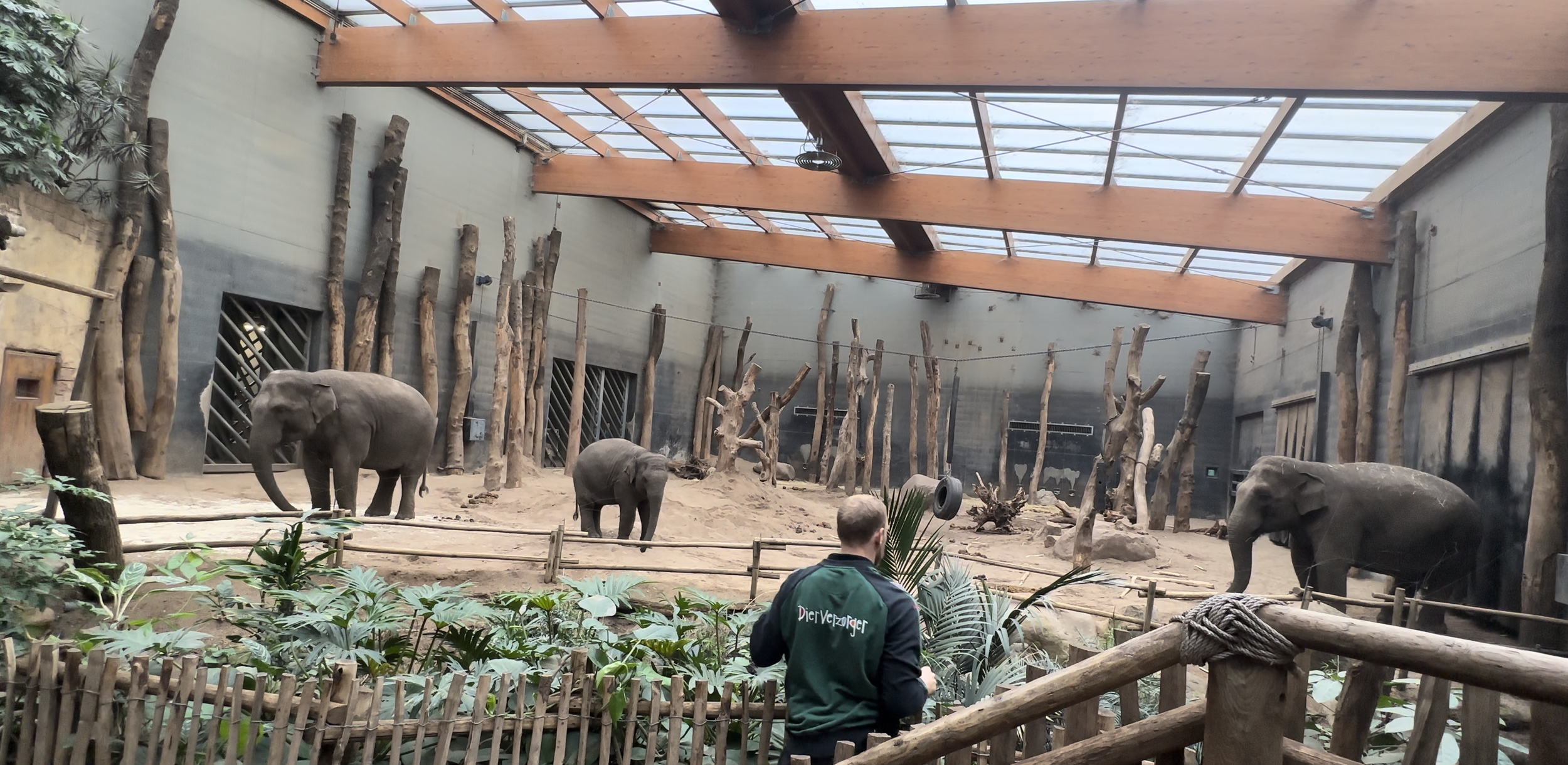
We examine group dynamics and social structure to determine how observations can guide training strategies that alter behaviour within these groups. Understanding animals’ historical associations and past experiences is essential to designing effective programmes; our responses to those associations drive the progress achieved. We will also cover advanced communication techniques, including the bridge, the “keep going” signal, and the end-of-session signal.
Day 2
This day focuses on understanding reinforcement rates within a group: the communication systems, the specific behaviours and criteria required for success. We’ll guide you on where to begin and how reinforcement shapes group behaviour.
Day 3
On the final day we’ll cover shifting and gating, including common challenges when training groups and practical solutions. By the end of the day you’ll be able to design your own program.
Each day is interactive, with hands‑on sessions, group discussions, and dedicated time for brainstorming.
This schedule is subject to change, as it is not the final version.
BOOK YOUR SPOT!
Max. 50 Spots Available